Back



Sustainability Report
We have been transparently reporting our ESG progress, actions, results and strategies since 2004.


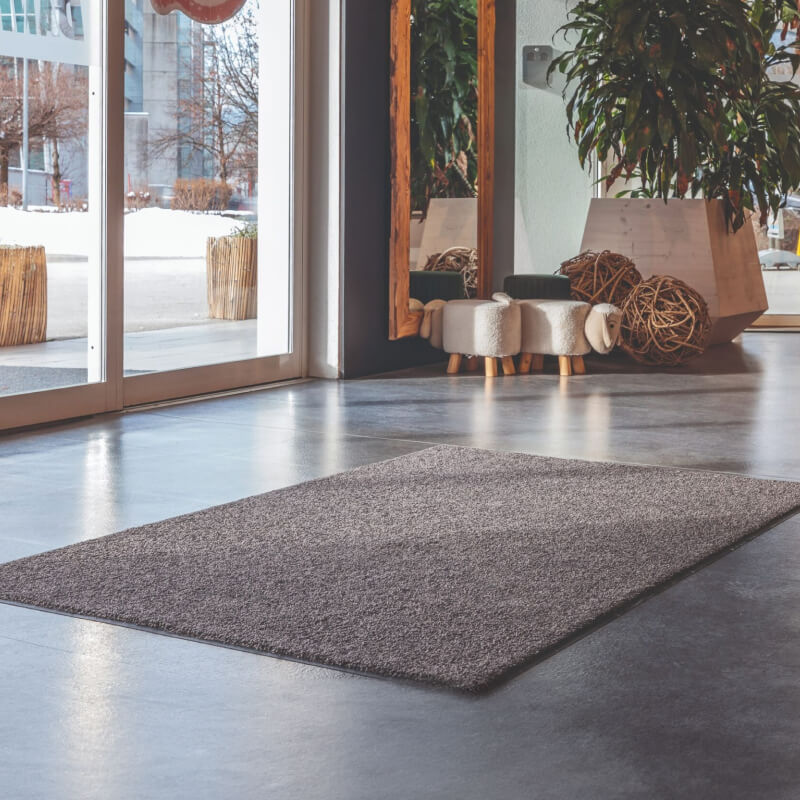

History of sustainability
We’ve woven together sustainability and innovation, building an industrial vision that values resources, people and the local area.
Our sustainability journey
The 1950s
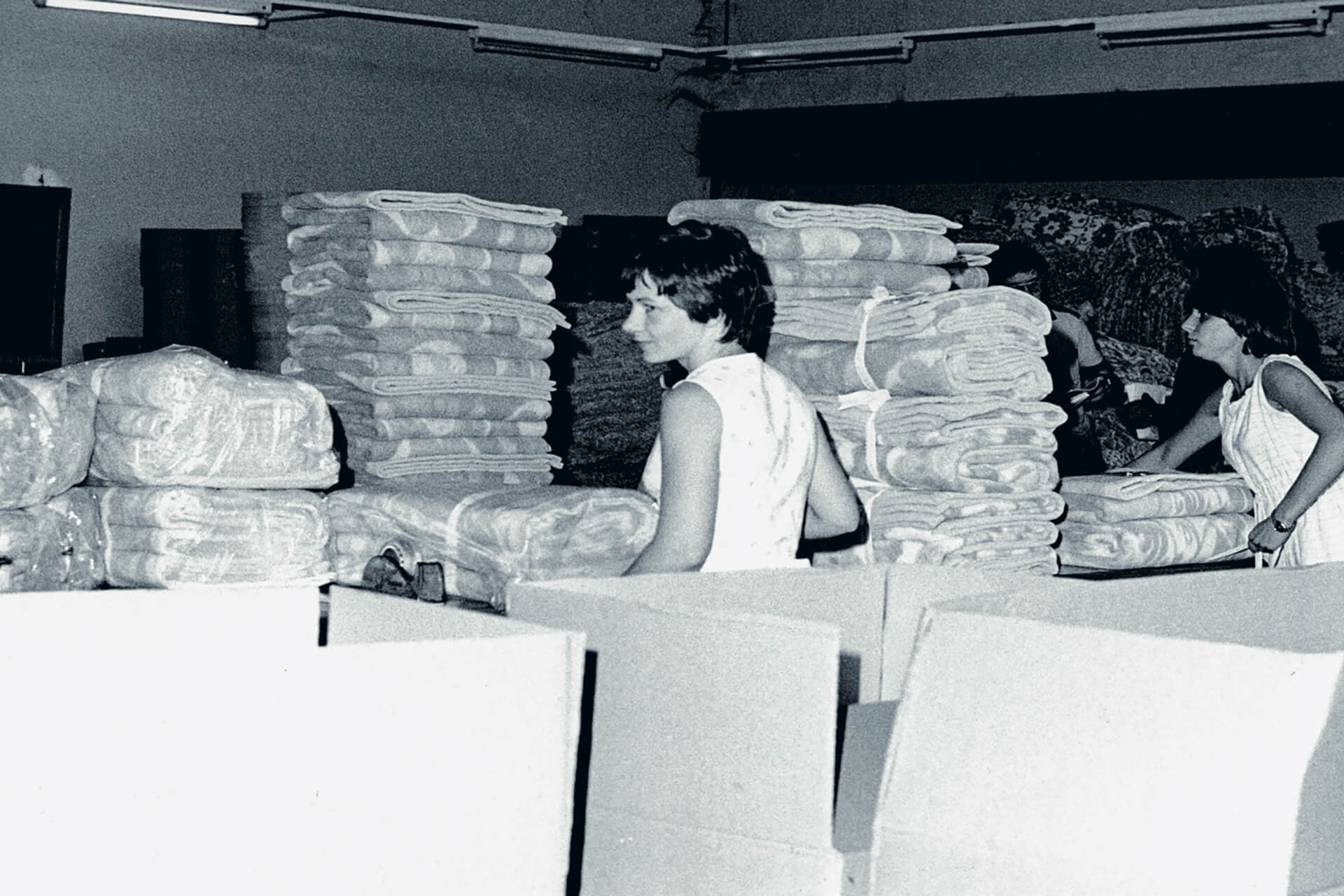
The first steps of the circular economy
RadiciGroup’s first textile companies begin the recovery of wool waste, transforming it into useful resources for production, a practical solution to optimise production processes and cut waste.
1980s
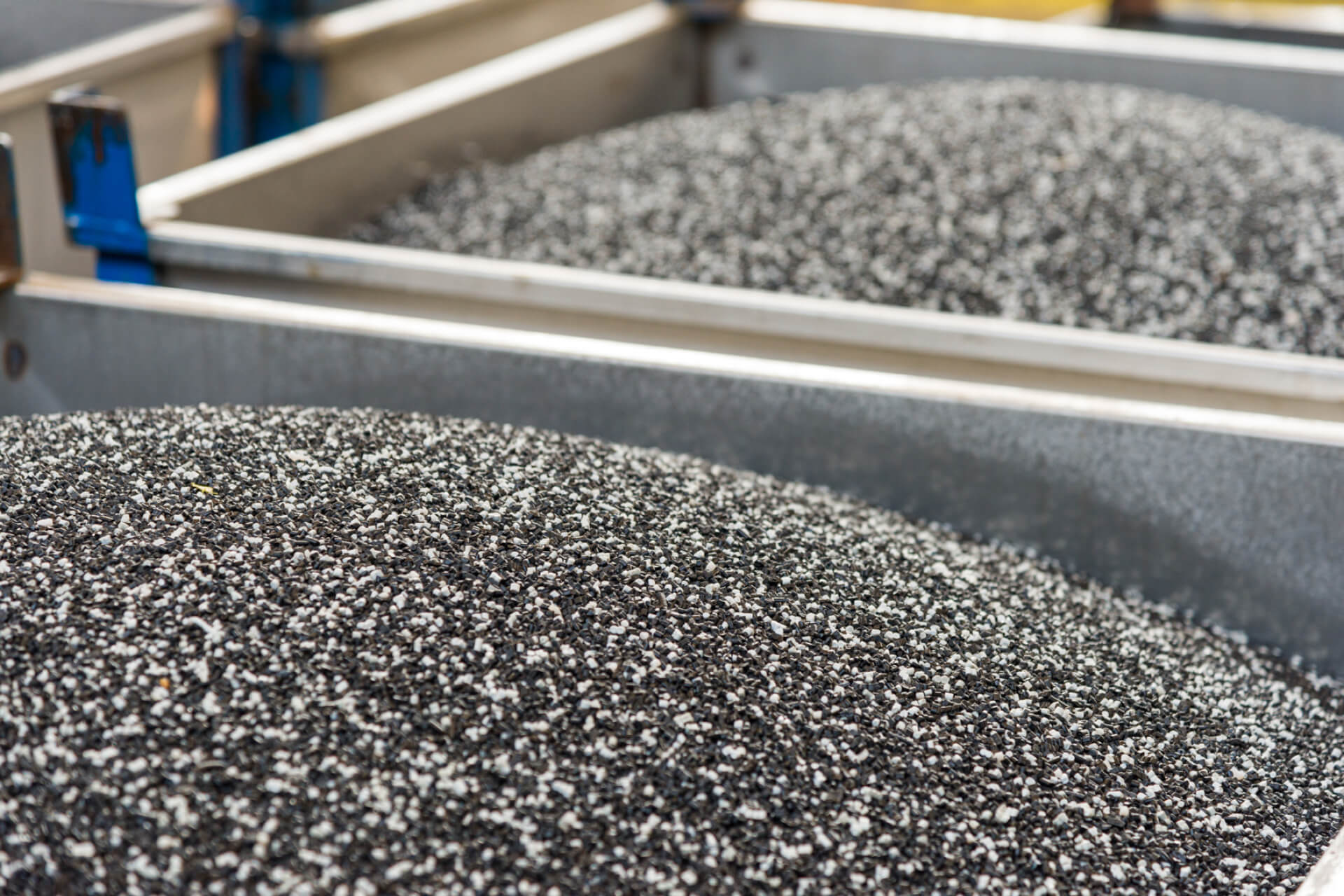
Recycling of materials
A new industrial phase begins, dedicated to recycling textile waste from synthetic yarns, with the launch of a production site that strengthens our path toward a circular model.
2000s
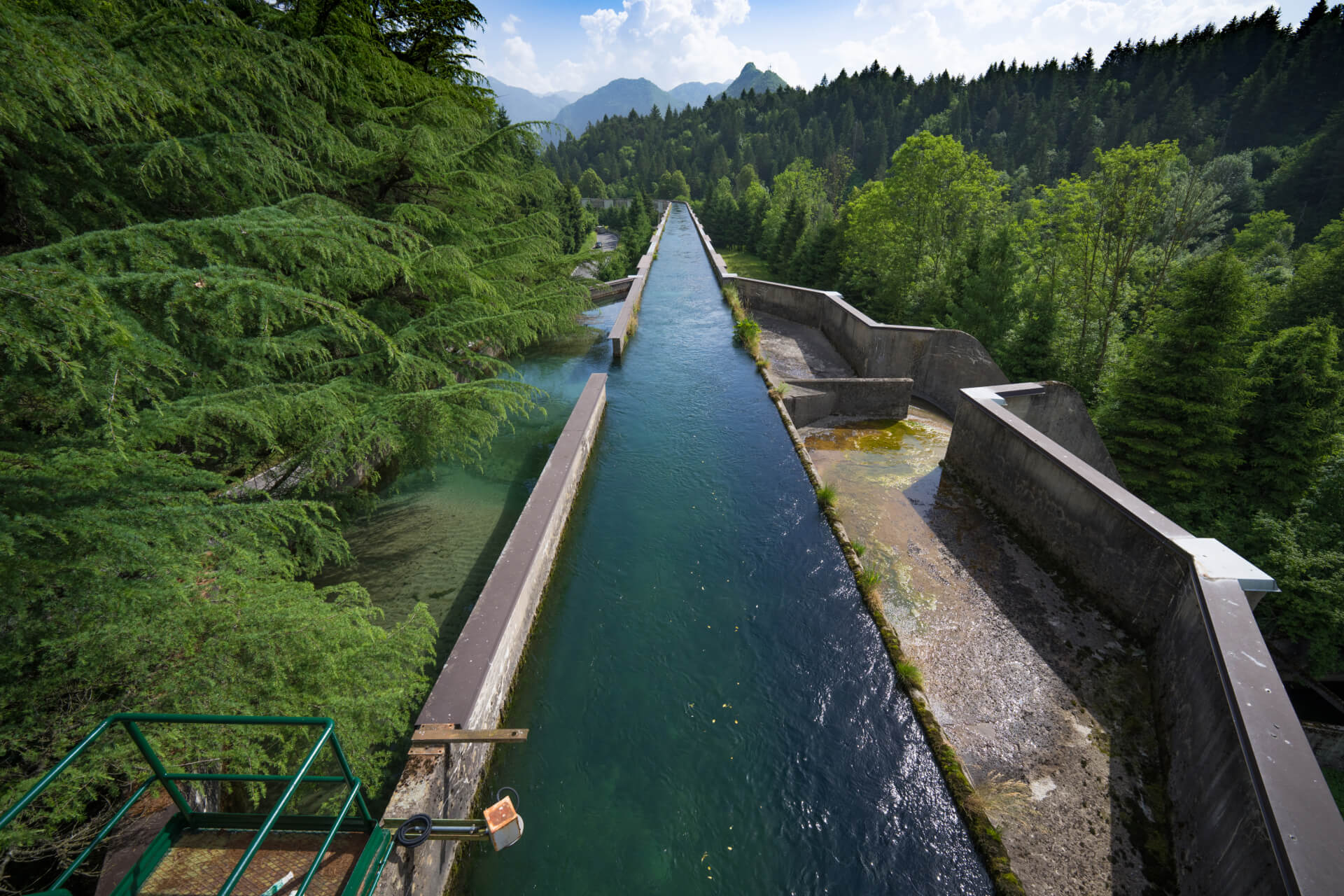
Geogreen
We enter into a partnership with Geogreen to power our production process with energy from renewable sources. Thanks to this collaboration, we can boost the use of hydropower and establish the basis for an energy supply strategy that contributes to the reduction of GHG emissions.
2004
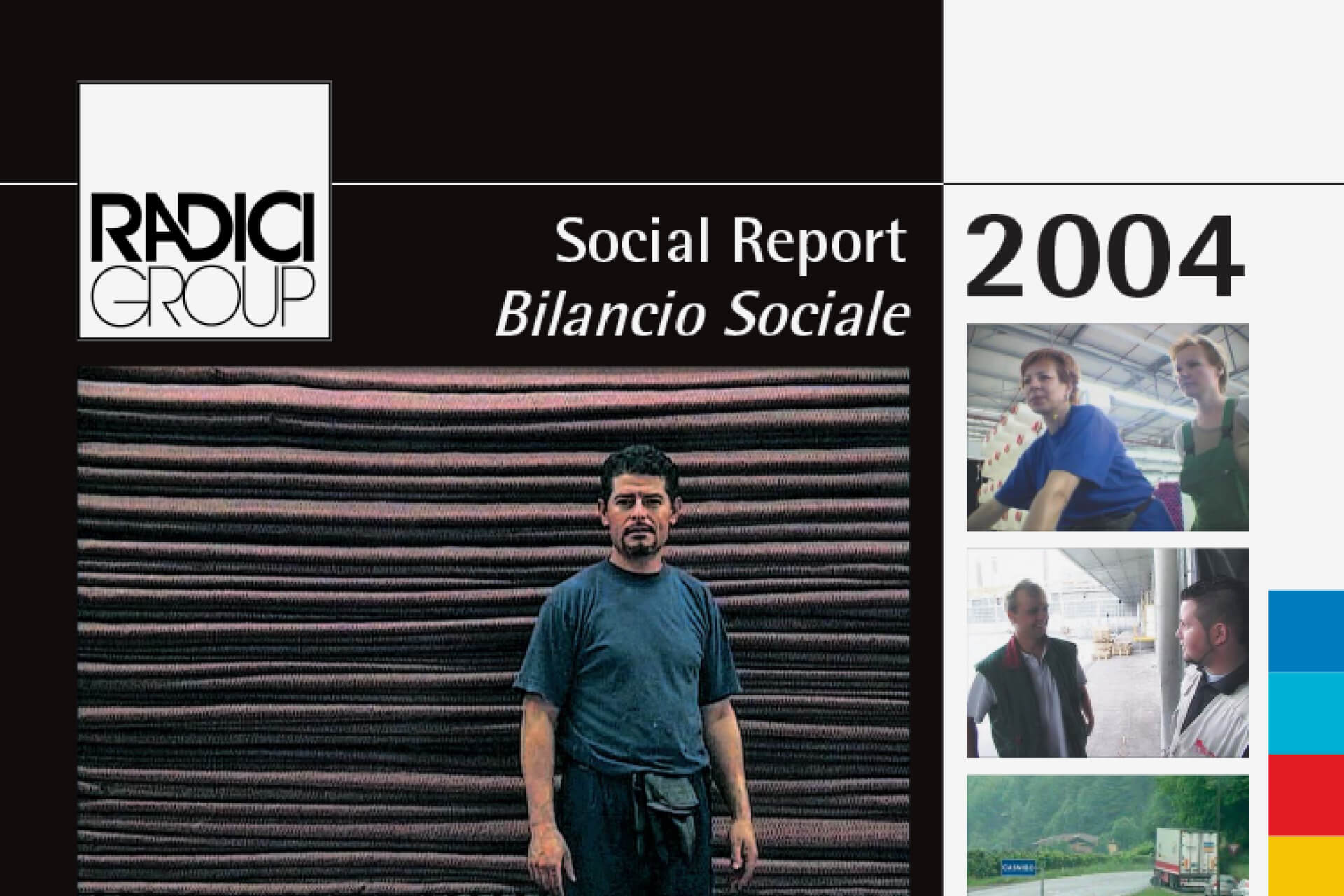
Commitment to transparency
With our first Sustainability Report (Social Report), as part of RadiciGroup, we set up a transparent dialogue with stakeholders, sharing concrete goals and tangible results related to environmental, social, and economic sustainability.
2010s
From data to strategy
We introduce product Life Cycle Assessment (LCA) to analyse the environmental impact of our activities and products. As a part of RadiciGroup, we achieve OEF (Organisation Environmental Footprint) and PEF (Product Environmental Footprint) compliance in 2014. That same year marked the launch of our first eco-design projects, laying the groundwork for sustainable innovation. In 2015, RadiciFil obtained its first Environmental Product Declarations (EPD), reinforcing our commitment to transparency and measurable impact.
2020s
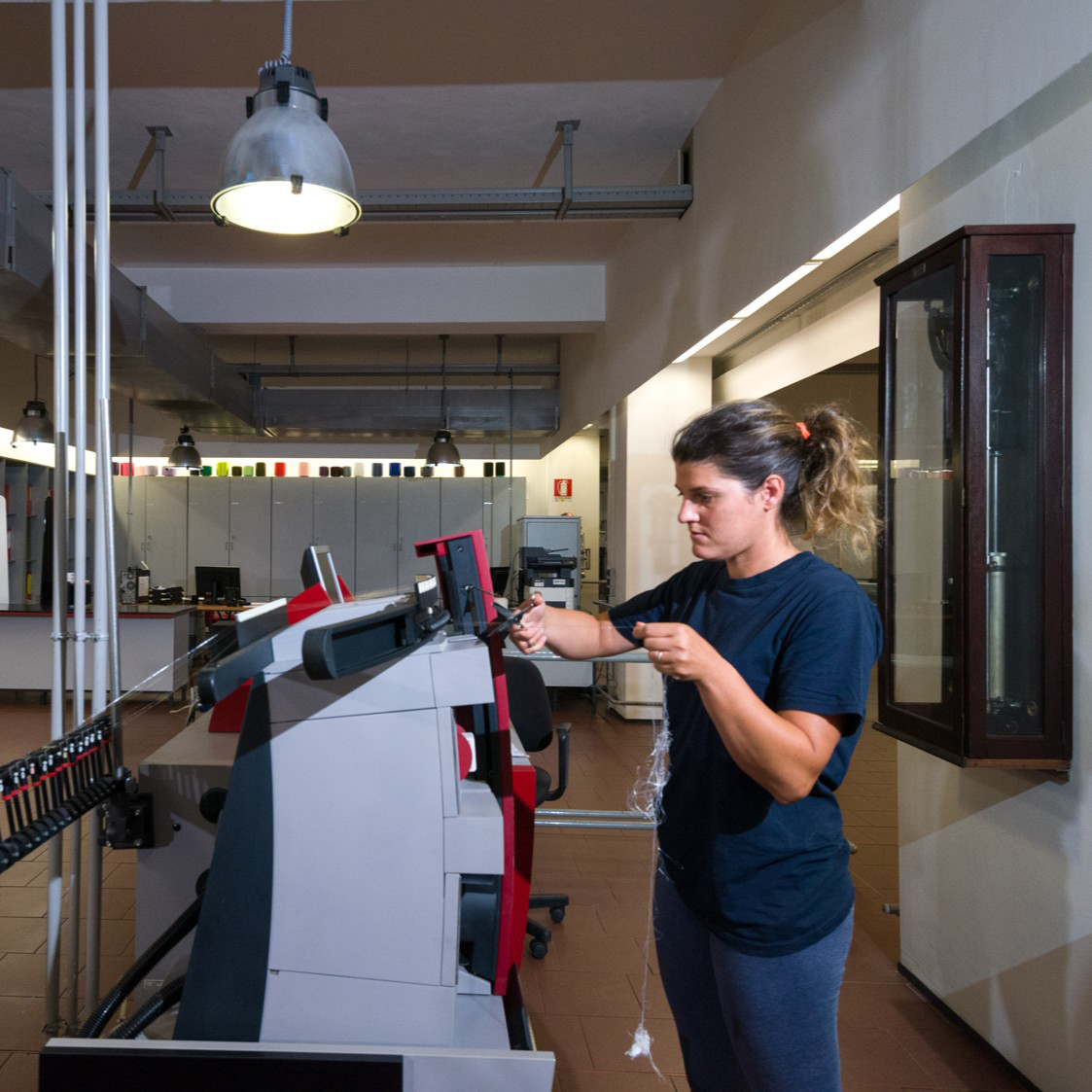
Innovation and circularity
Raditex expands its recycling capabilities, giving rise to Renycle®, Repetable®, and Respunsible®, concrete textile solutions that shape our circular economy journey.
Today ➔
Sustainability is an ongoing journey
With strong textile roots and a renewed organizational dimension, Raditex looks ahead with confidence, strengthening its commitment to sustainability. We promote circular solutions, responsible materials, and transparent processes to be a reliable partner alongside our clients throughout the entire supply chain.
Discover how we integrate the circular economy into our processes and products.
Explore the sustainable processes that help reduce environmental impact.