






Back

Logo Radici Group

Radimelt®

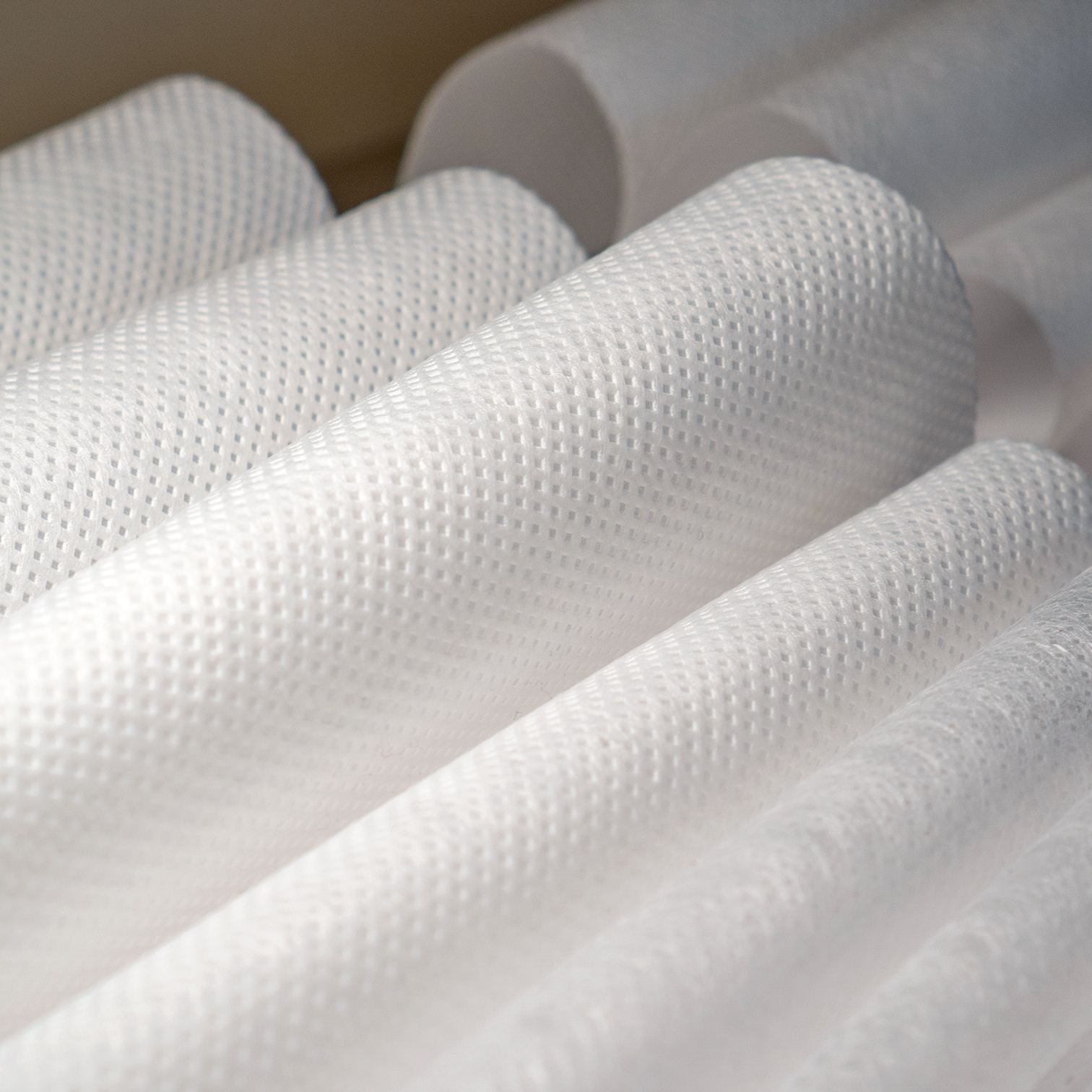
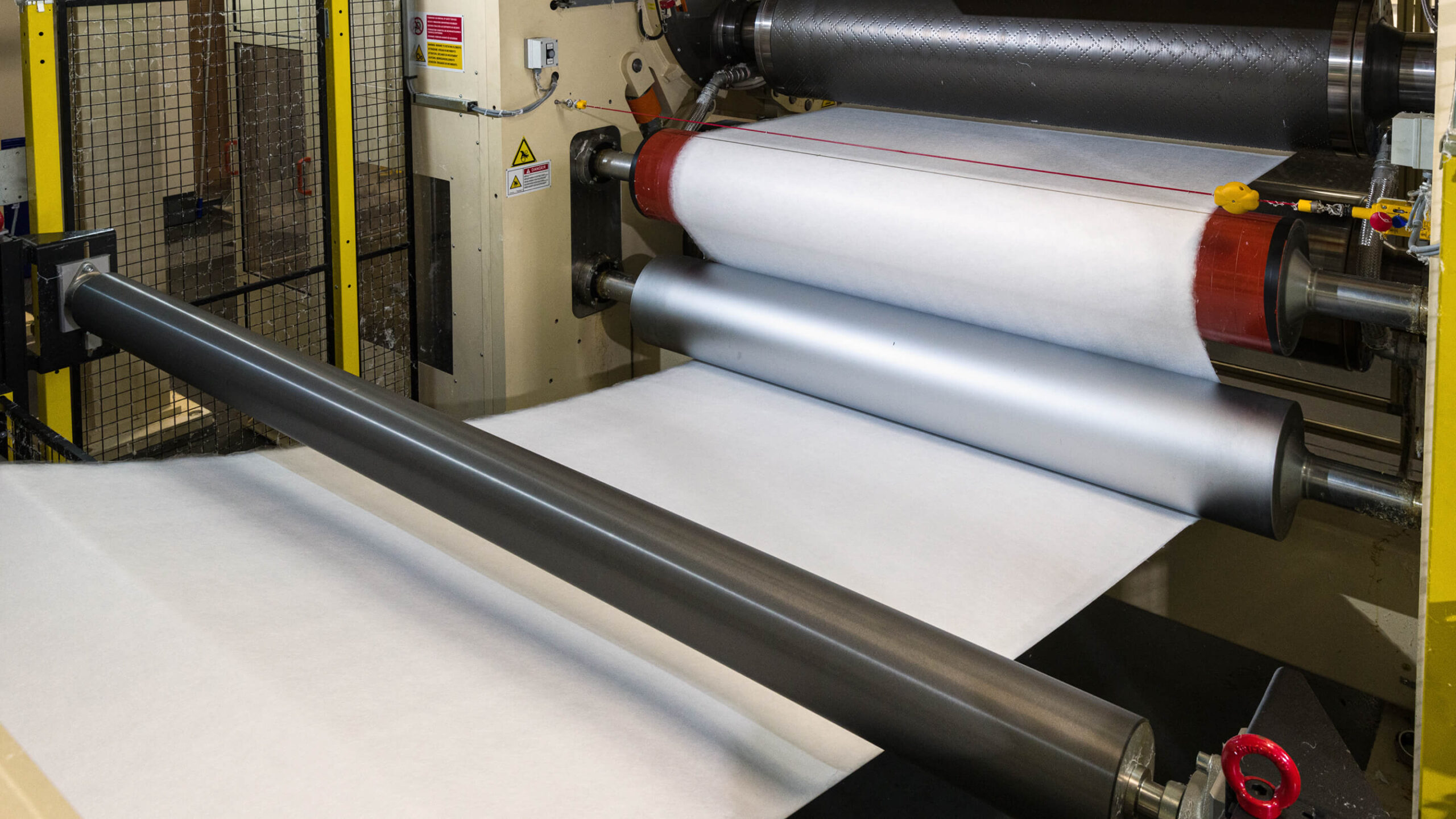
Meltblown microfibre nonwoven fabric (1 – 5 microns in diameter) with excellent filtration properties.


Tessiture Pietro Radici

Meltblown microfibre nonwoven fabric

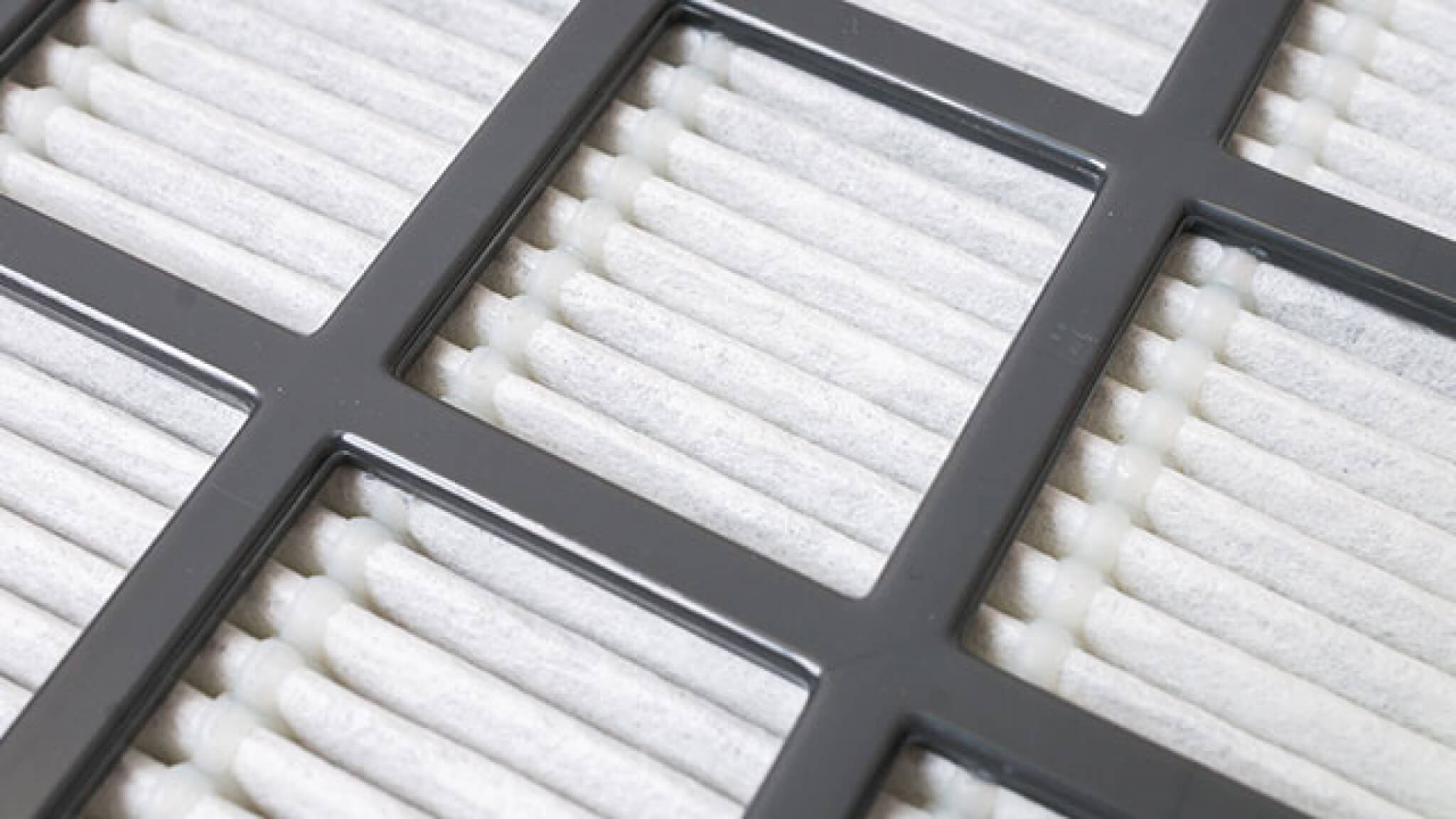
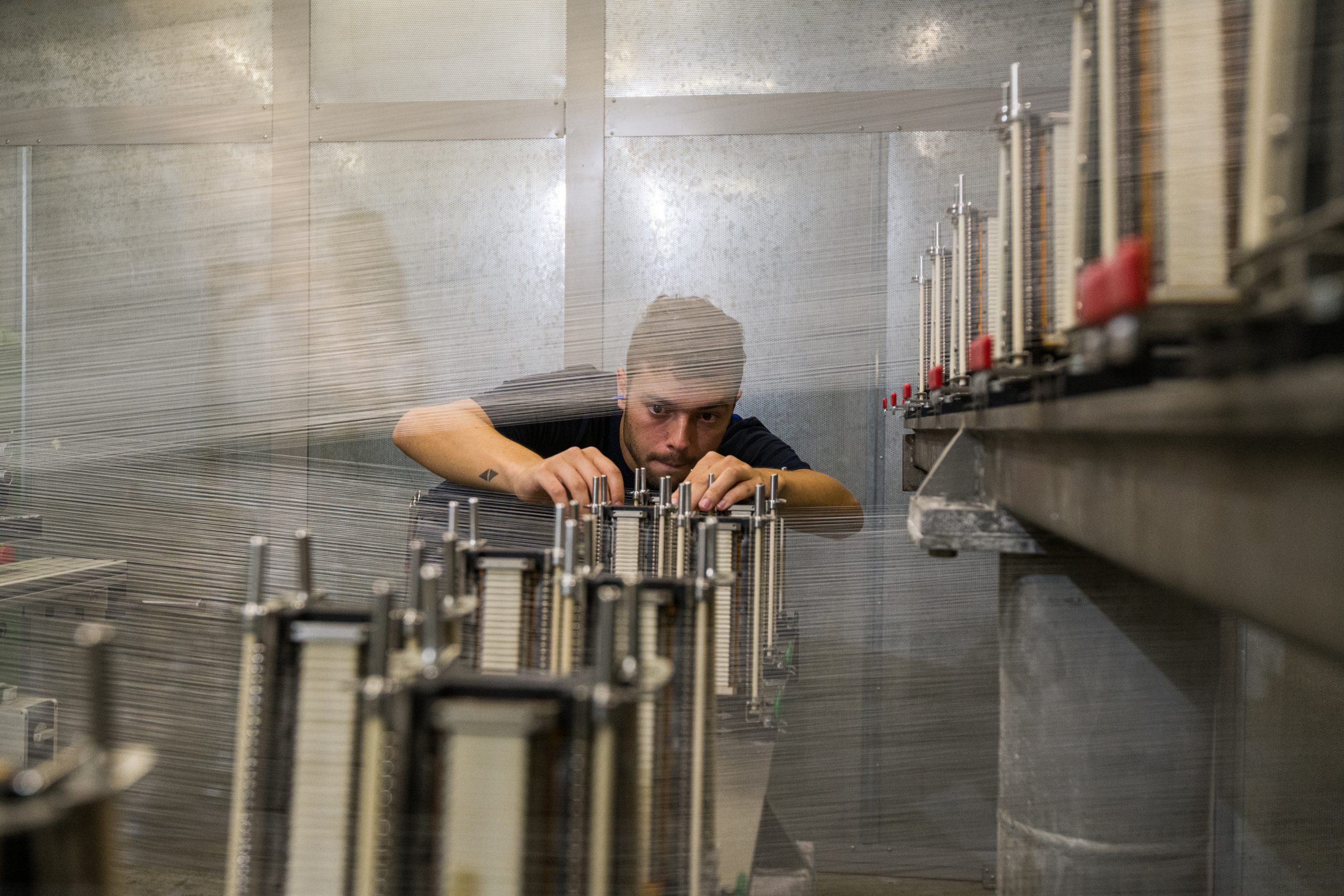
Radimelt® nonwoven fabrics are made with synthetic ultrafine continuous filaments with diameters ranging from 1 to 5 µm. They offer extraordinary filtration efficiency, minimising resistance to airflow to ensure maximum breathability and protection.


Versatile and high-performing, Radimelt® nonwoven fabrics are suitable for a wide range of applications — from air and liquid filtration (HVAC systems, vacuum cleaners) to surgical masks (FFP2, FFP3) and sorbents. They can be seamlessly combined into advanced composite structures to meet specific requirements.

Product features

High filtration efficiency

Radimelt® can effectively retain particles and impurities of different sizes, ensuring a high filtration capacity.

Reduced pressure drops

Thanks to the distribution of Radimelt’s microfibres, high performance can be maintained with reduced pressure drops.

High resistance to hydrostatic pressure

Radimelt® withstands high water pressure values, with an excellent barrier capacity to prevent the transit of water.

Available in a bio-circular version

Radimelt® products also come in an ISCC PLUS certified version which attests to traceability and the company’s high environmental and social standards.

  • Construction
  • Filtration

Applications

Applications

Sustainable products

Solutions that make a difference

For a more sustainable future, we are committed to minimizing environmental impact by directly optimizing our production processes. We promote the use of renewable energy sources and invest in advanced technologies that enhance plant efficiency.

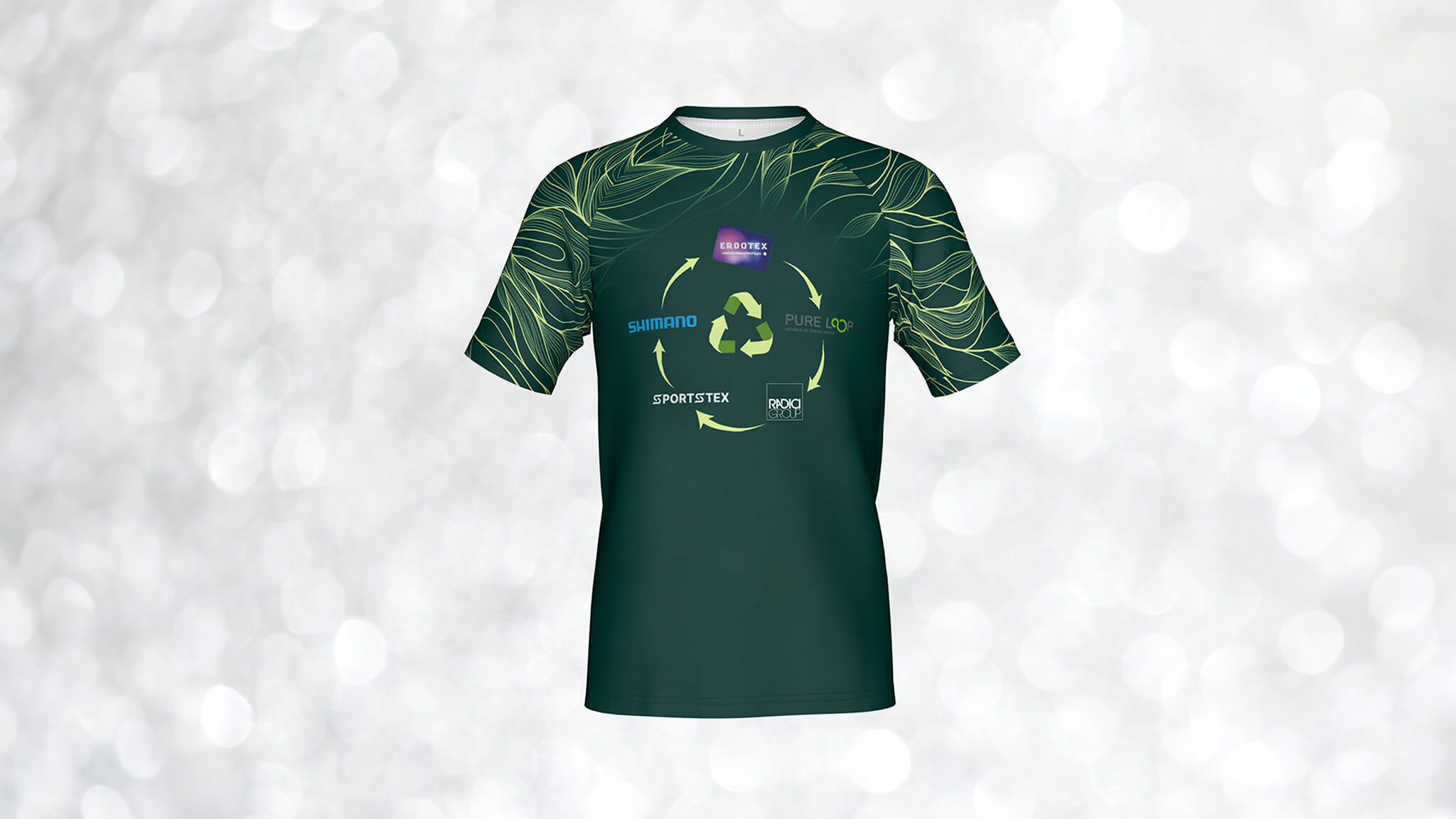
We pay close attention to the selection of raw materials, prioritizing the use of recycled or bio-based materials whenever possible. The materials we use are designed to be recyclable at the end of their life cycle.


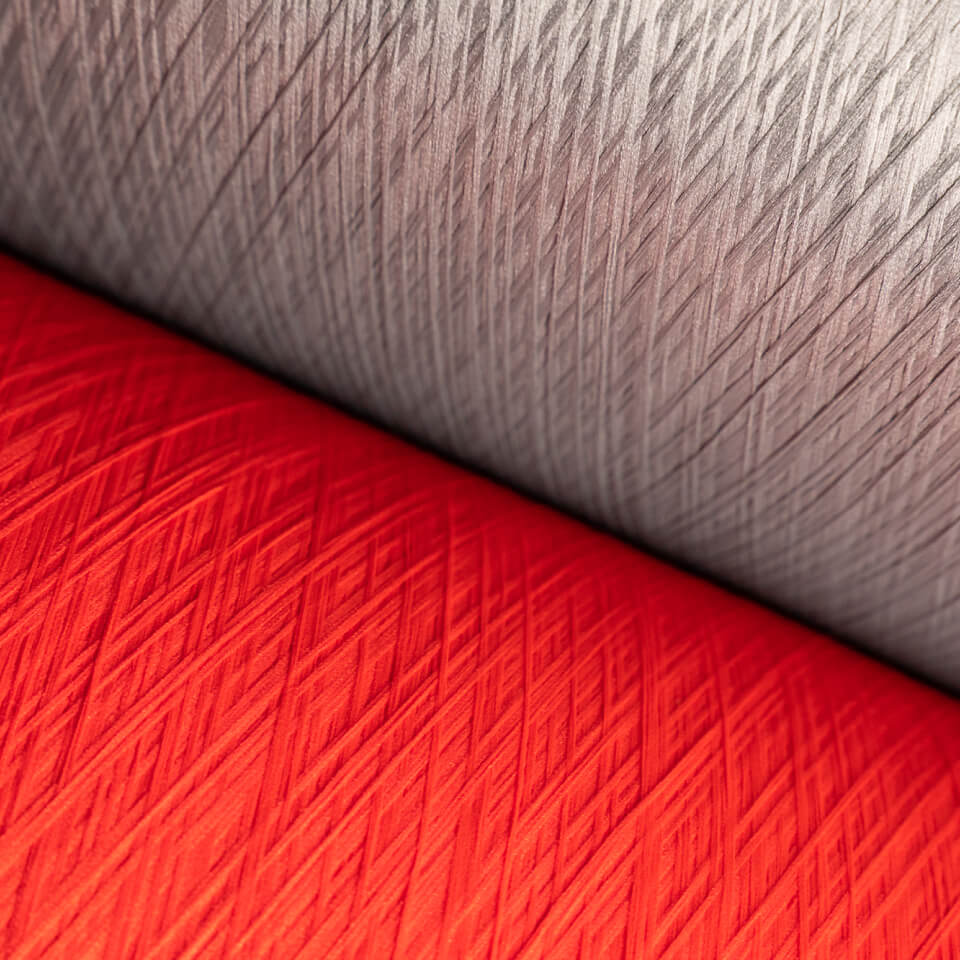
Whenever feasible, we adopt solution dyeing techniques for our yarns, significantly reducing water and energy consumption. To ensure maximum transparency at every stage, we rely on state-of-the-art traceability systems that allow us to monitor the entire product life cycle.