Back




Sustainability Report
We have been transparently reporting our ESG progress, actions, results and strategies since 2004.



Agriculture
Materials designed to optimize cultivation and preserve the quality of fruits and vegetables.
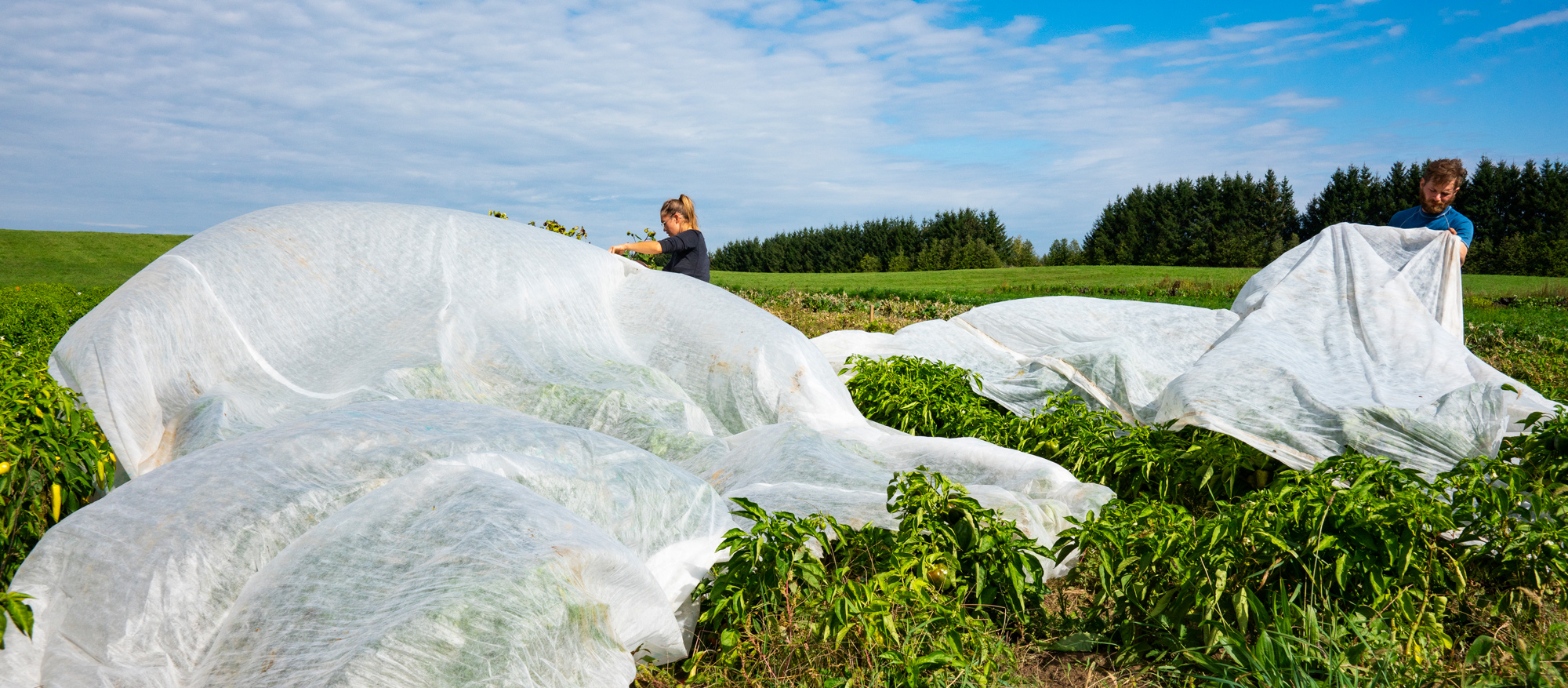
Cutting-edge materials to support agriculture
In response to climate change, agriculture demands sustainable and high-performance solutions. Raditex materials help protect crops and enhance productivity in a responsible way.
Raditex Dylar spunbond nonwoven fabrics stand out for their breathability, UV resistance, and high elasticity—essential qualities for extending the harvest of late crops, anticipating seasonal production, and coping with extreme weather conditions. Their ability to filter water, light, and air ensures effective protection from cold and wind, supporting plant growth well into the winter.
For the construction of greenhouses, agricultural tunnels, and various types of films used to cover hay bales or create mini-greenhouses, Radipol® cs copolymers offer the perfect balance between strength and ease of use. These features make them a benchmark for those seeking high-performance, low-impact materials in the agricultural sector.”
Applications
- Protective covers
- Mulching
- Films for agricultural use
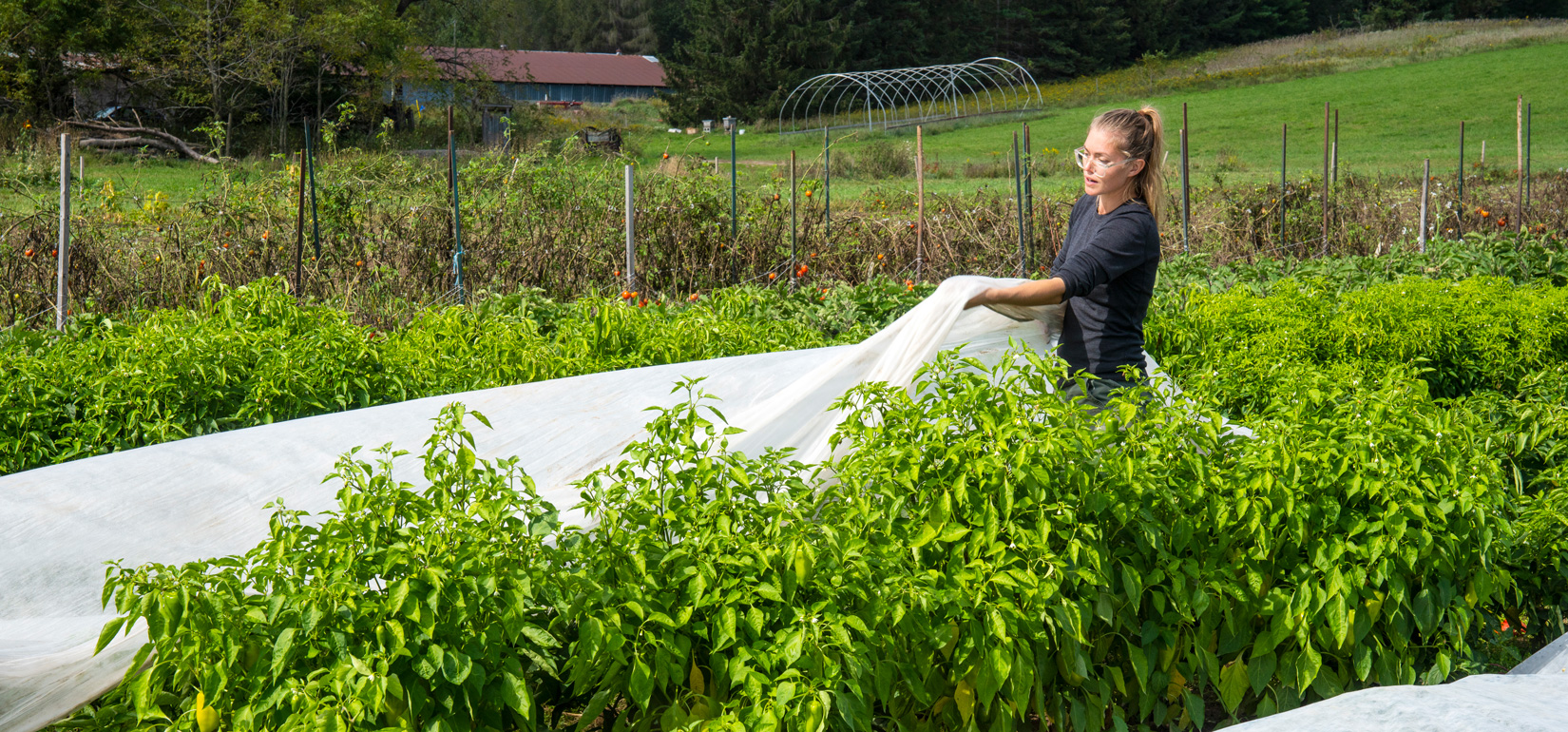
With excellent mechanical resistance, UV protection and high breathability, Dylar is the ideal solution for protecting vegetables, lettuce, melons, strawberries and other crops from frost. The covers create a temperate microclimate that prolongs the growing season, reduces damage caused by wind and solar radiation, and prevents heat stress.
Dylar
Bio-circular version available
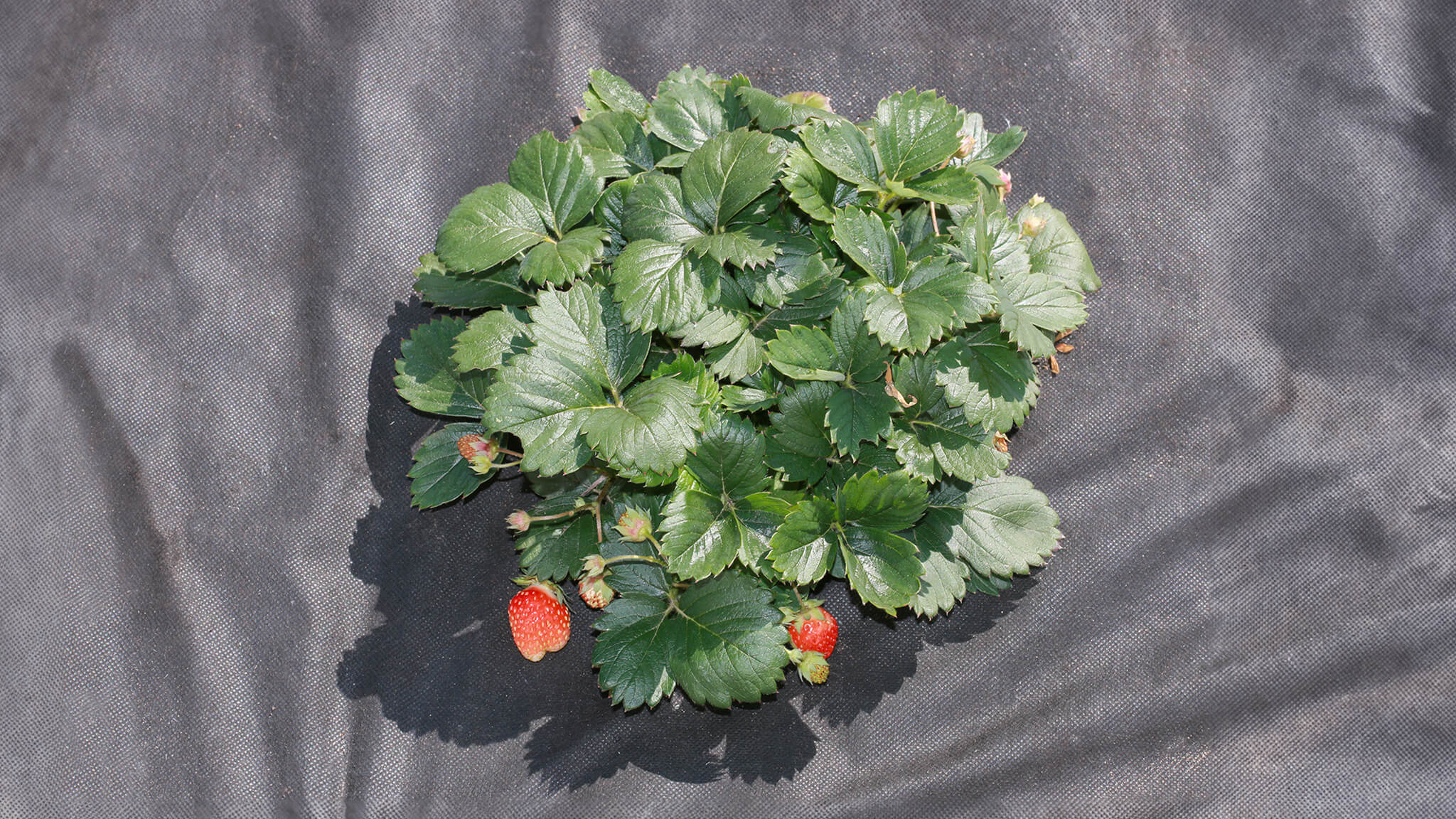
In heavier weight versions, Dylar is used extensively for mulching, covering the ground and preventing the growth of weeds without using weedkillers. It also protects crops from birds and small animals, reduces water evaporation by preserving soil moisture, and limits erosion caused by heavy rains or irrigation.
Dylar
Bio-circular version available
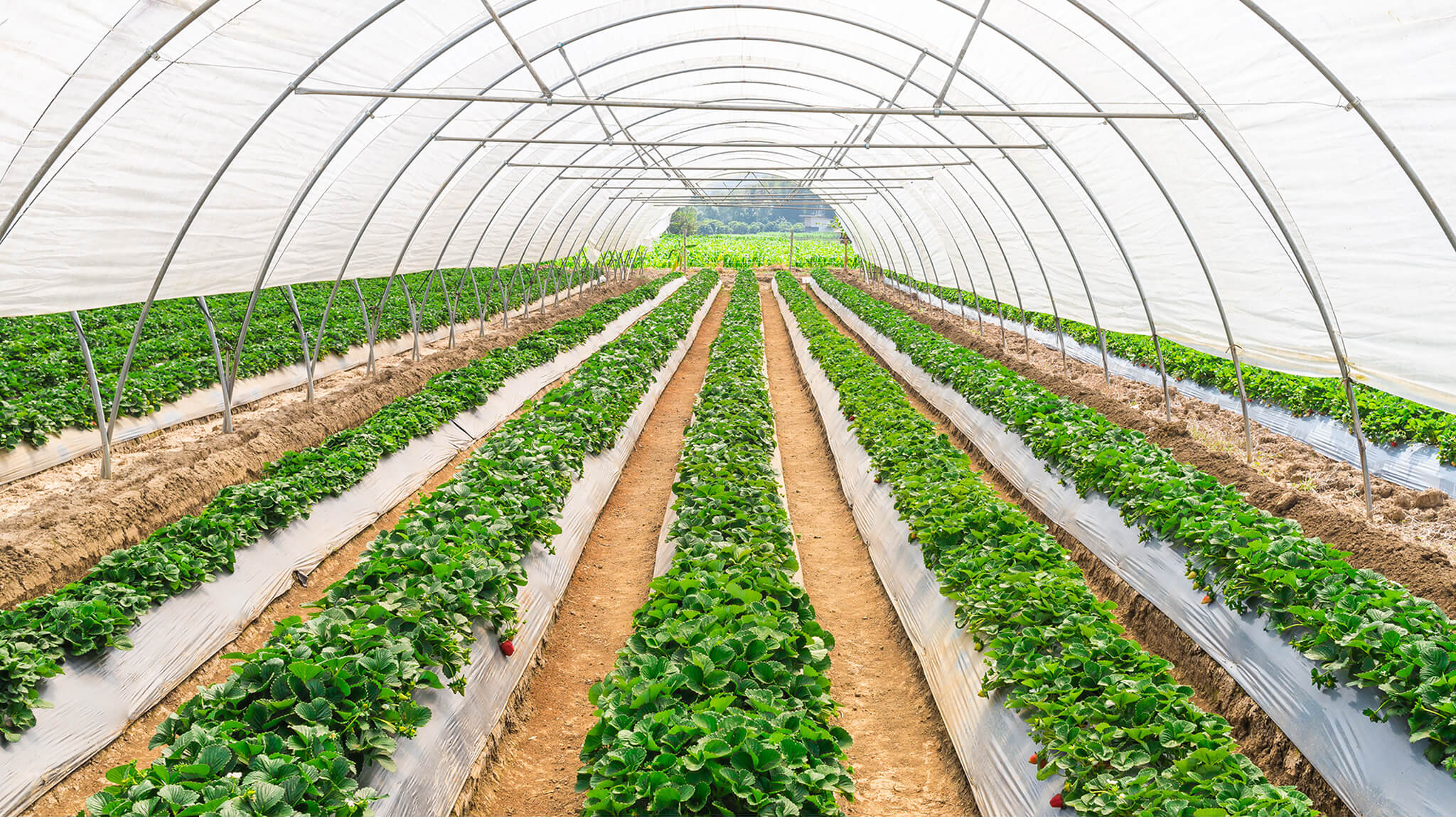
Radipol® cs copolymers, known for their excellent mechanical, thermal and chemical resistance, are the ideal choice for the production of different types of agricultural film, including greenhouse and tunnel films which offer optimal protection for crops, silage films designed to effectively preserve forage, hay bale films to protect the product from the elements whilst maintaining quality, and films for low tunnels and mini-greenhouses to create microclimates that foster plant growth.
Latest news
Raditex updates and media content.