Back




Sustainability Report
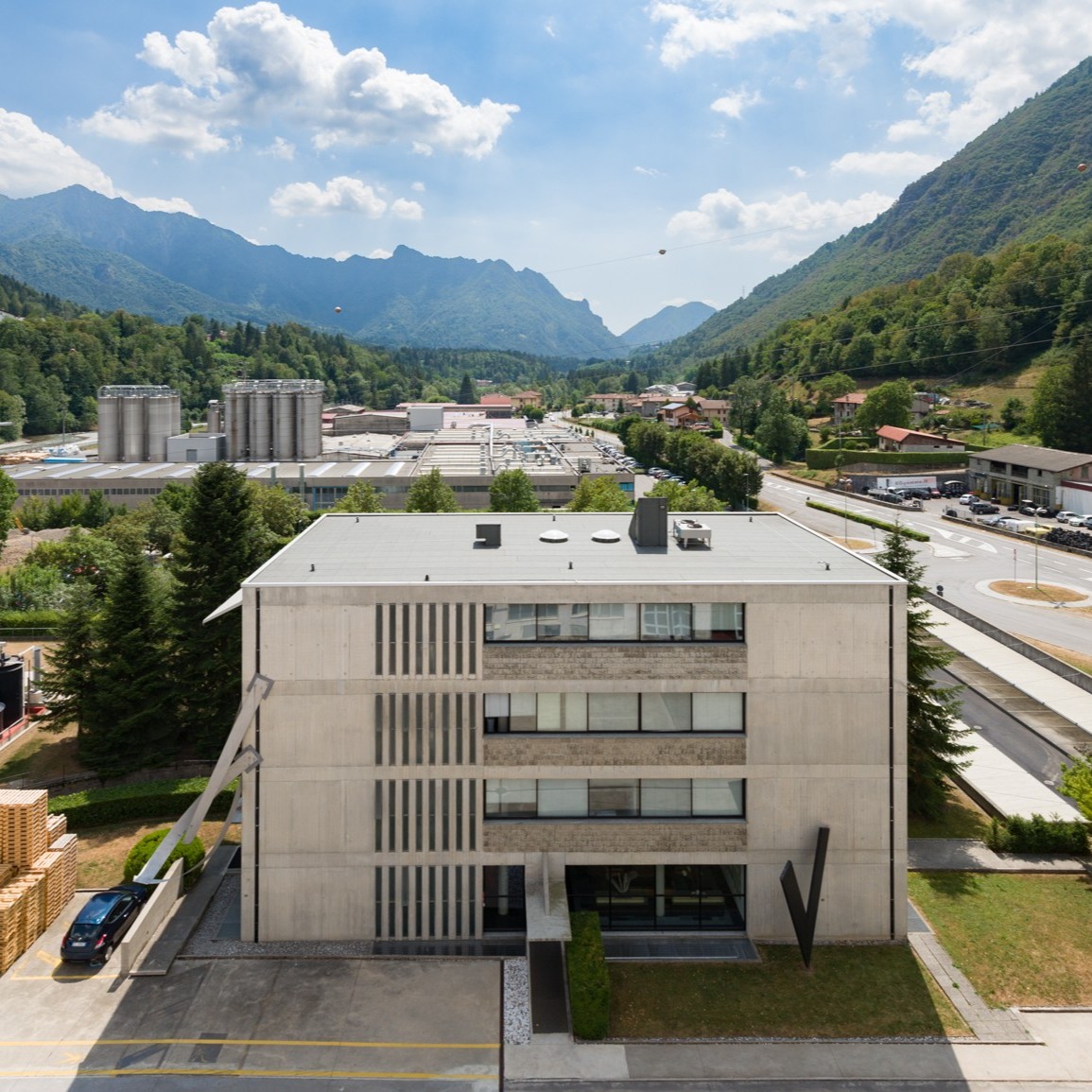
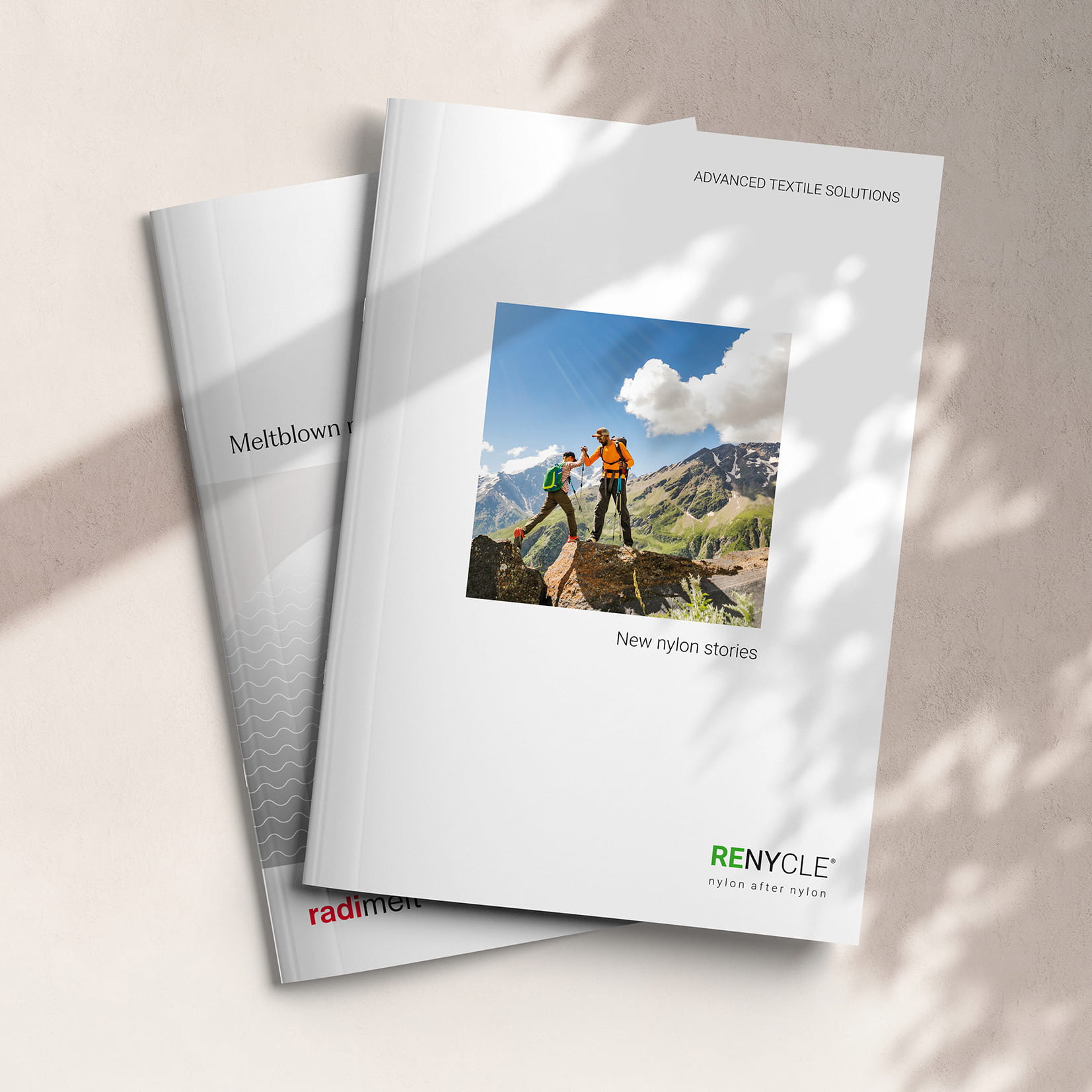
We have been transparently reporting our ESG progress, actions, results and strategies since 2004.



Sustainable solutions
We are driven by a responsible commitment: to generate sustainable value for our clients and for all entities involved in our supply chains.
Responsible manufacturing
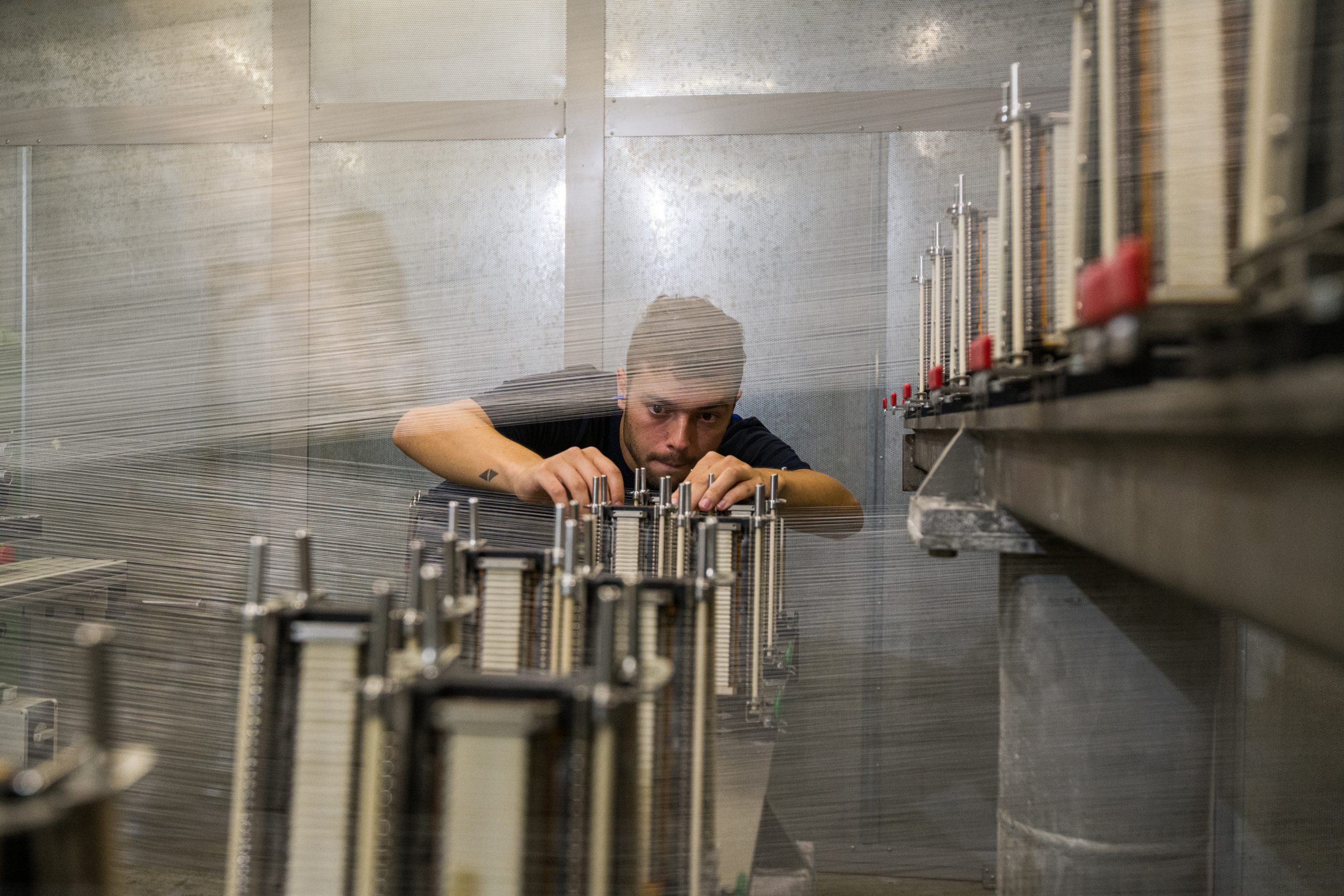
For a more sustainable future, we are committed to minimizing environmental impact by directly optimizing our production processes. We promote the use of renewable energy sources and invest in advanced technologies that enhance plant efficiency.
We pay close attention to the selection of raw materials, prioritizing the use of recycled or bio-based materials whenever possible. The materials we use are designed to be recyclable at the end of their life cycle.
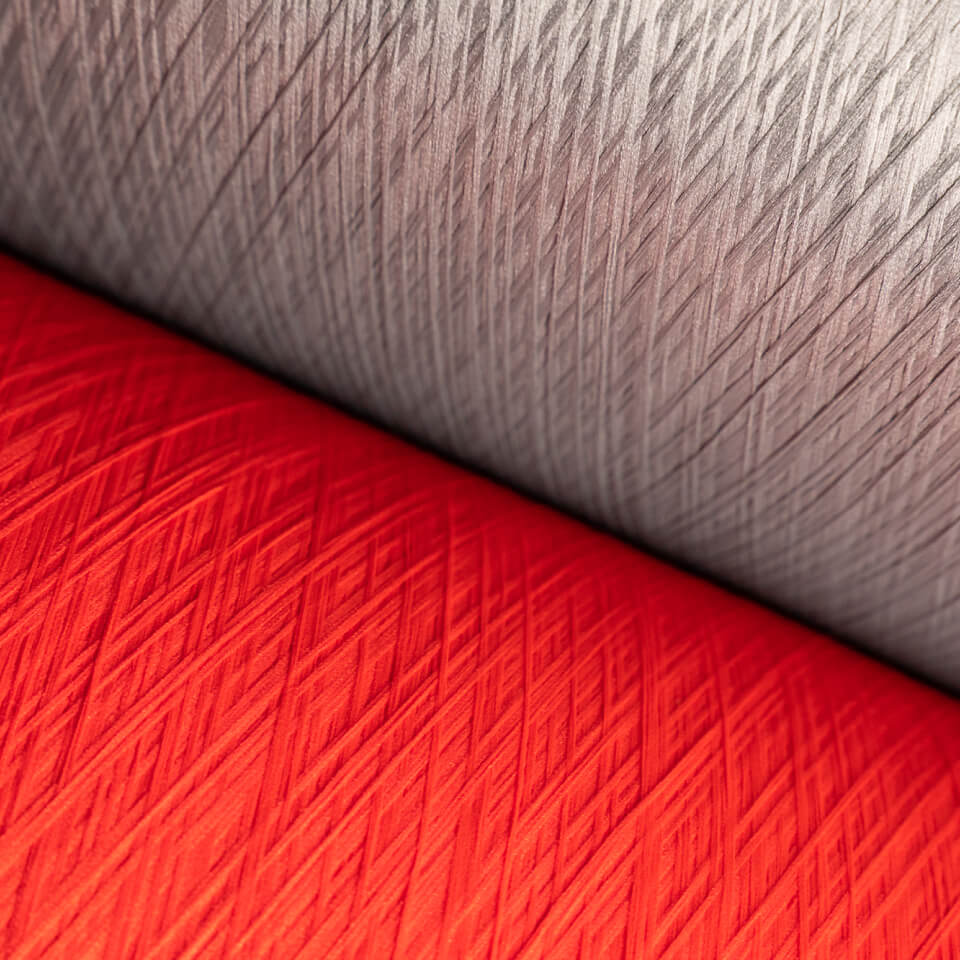
Whenever feasible, we adopt solution dyeing techniques for our yarns, significantly reducing water and energy consumption. To ensure maximum transparency at every stage, we rely on state-of-the-art traceability systems that allow us to monitor the entire product life cycle.
Sustainable products
Through low-impact products, Raditex brings sustainability principles to life and puts them at the service of the market.
- Products derived from recycled materials
- Products from bio-based sources
- Bio-circular products
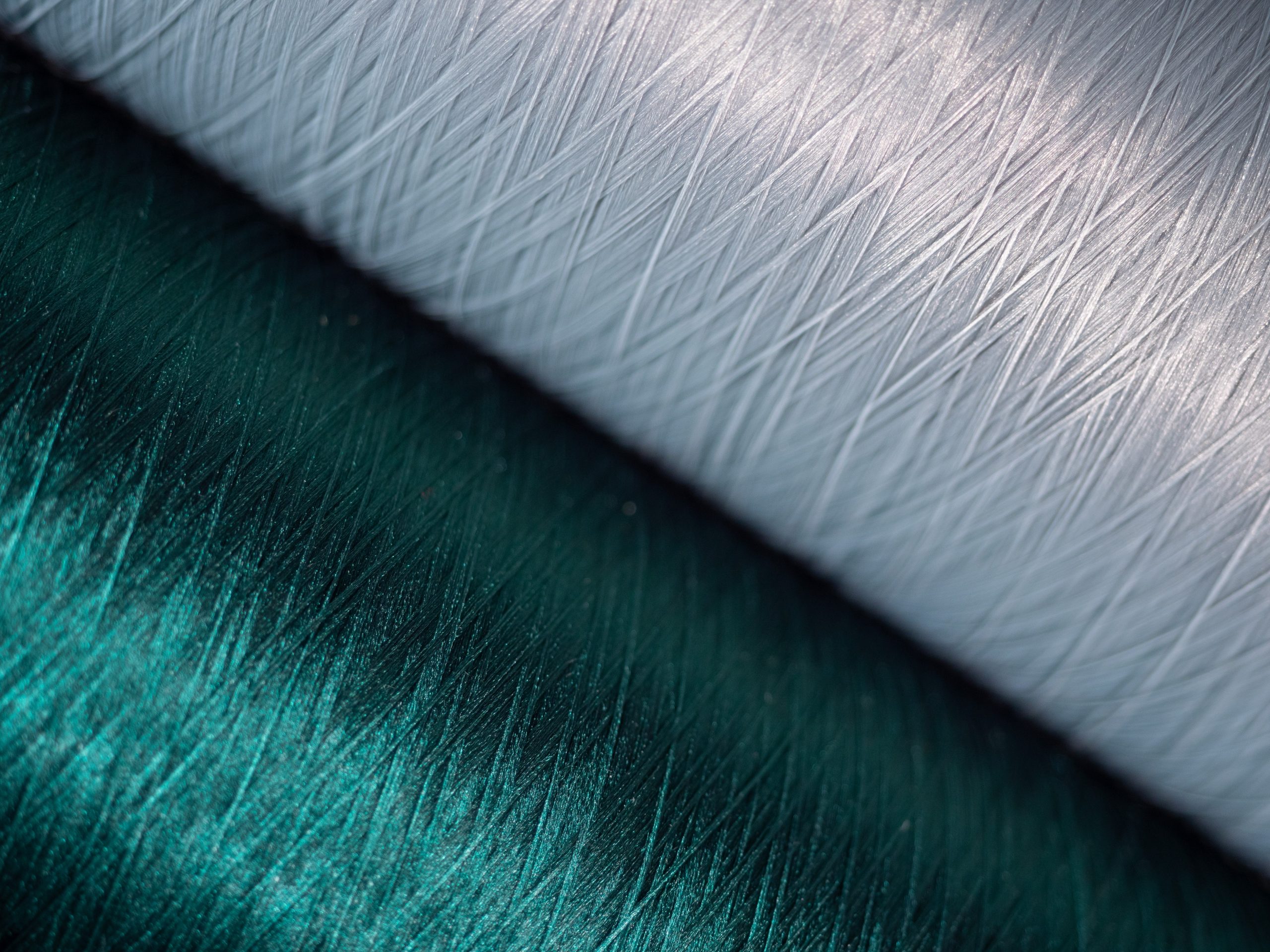
We produce yarns, staple fibers, and nonwoven fabrics using pre- and post-consumer recycled materials to enhance the value of existing resources.
Renycle®
Derived from recycled materials
Repetable®
Derived from recycled materials
Renycle®
Derived from recycled materials
Respunsible®
Derived from recycled materials

We manufacture products using raw materials of natural origin to reduce dependence on non-renewable resources.
Biofeel®
Bio-based product
Biofeel® Eleven
Bio-based product
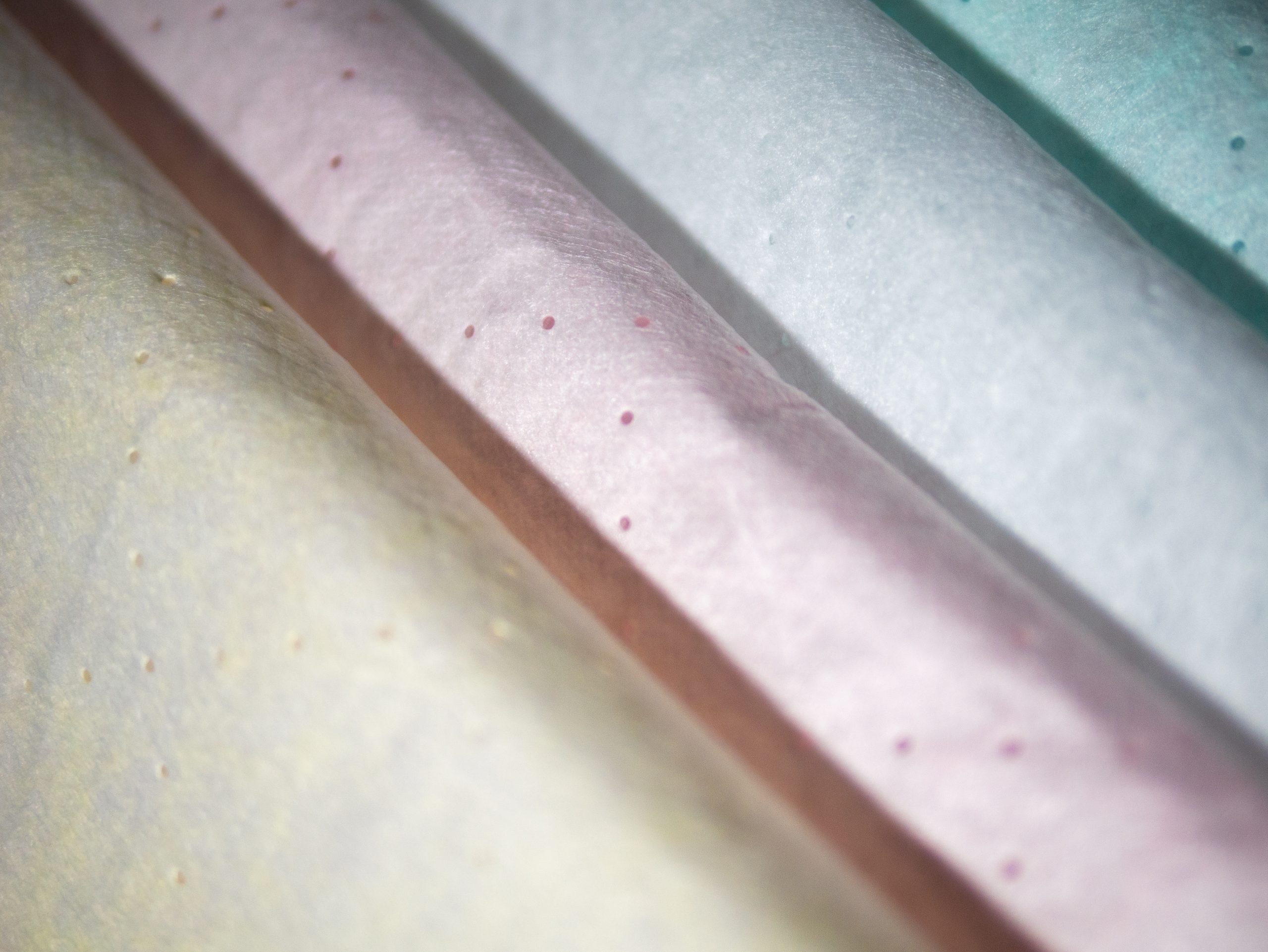
We produce nonwoven fabric certified according to the ISCC Plus (International Sustainability and Carbon Certification) standard. ISCC Plus is a certification for circular materials that provides traceability along the supply chain and verifies that certified companies meet high environmental and social standards.
Impact of production processes
Energy from renewable sources
The use of renewable energy is one of the first steps to reduce the impact of the processes and, consequently, of the products themselves. Raditex is constantly committed to increasing the percentage of renewable electricity that powers its plants, thus contributing to more sustainable production.

Physical and digital traceability in the Apparel & Technical world
In recent years, the growing attention to quality, safety and compliance with environmental and social regulations has made it vital to accurately trace every production step.
Raditex has introduced a proprietary physical tracer in the textile polymer matrices, globally recognisable via a dedicated scanner that ensures physical traceability without altering the yarn’s properties.
Digital traceability, on the other hand, is based on a personalised blockchain that allows you to monitor every step of the process.
The integration between physical and digital traceability permits the end user to see the entire path of the garment.
Transparency you can see
For years, we have believed that transparency is the starting point for true sustainability. We use tools such as LCA, EPD, and PEF to assess and communicate the environmental impact of our products at every stage of their life cycle. This allows us to implement targeted solutions, optimizing processes and materials to ensure high and sustainable quality standards throughout the entire supply chain.

Mass dyeing technology
The colour is added directly during the spinning phase, making it an integral part of the material. This process eliminates the need for subsequent dyes, thereby reducing water and energy consumption without compromising the quality and durability of the yarn colouring.
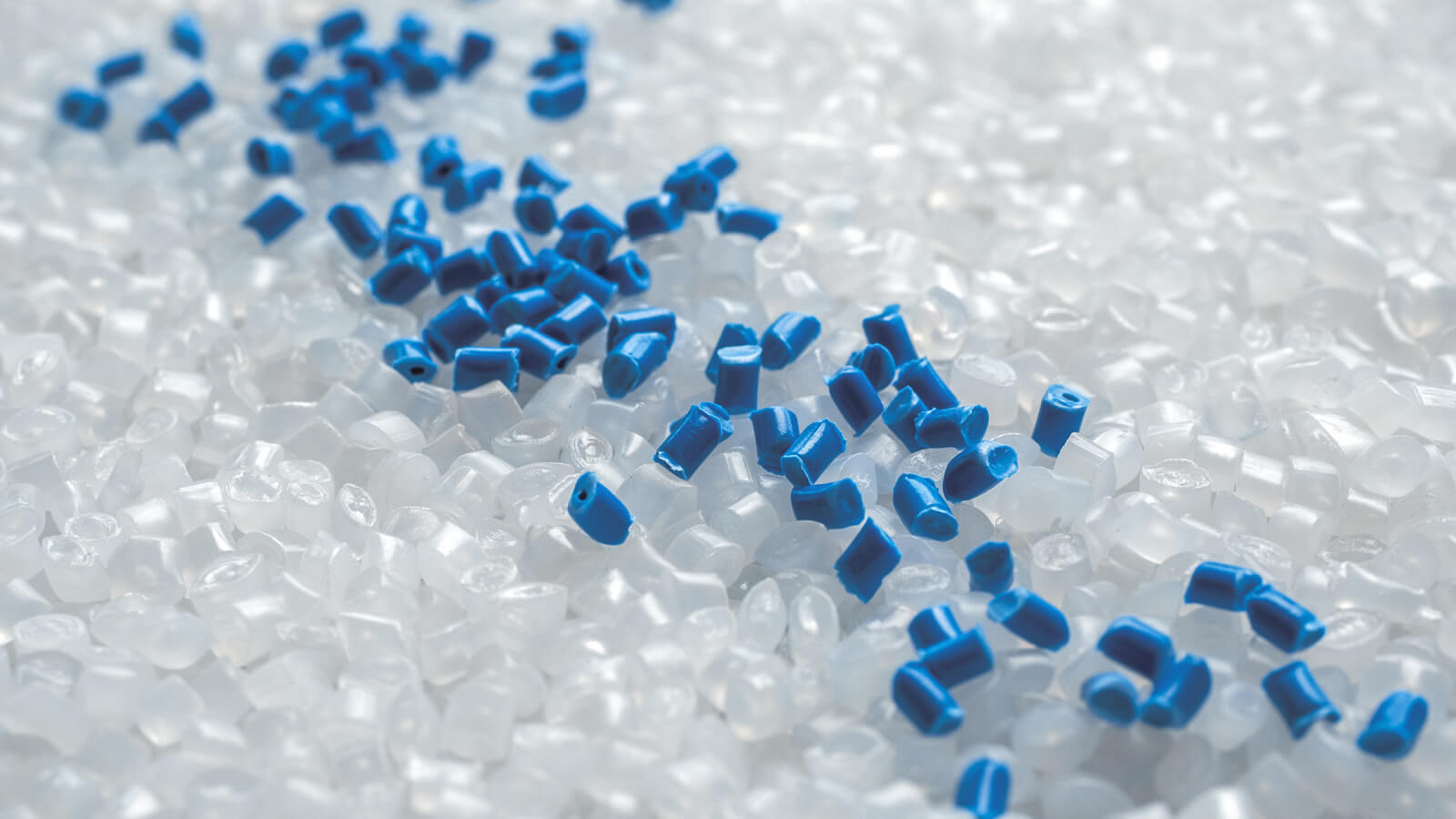
Respunsible®
Product of recycling
Stories
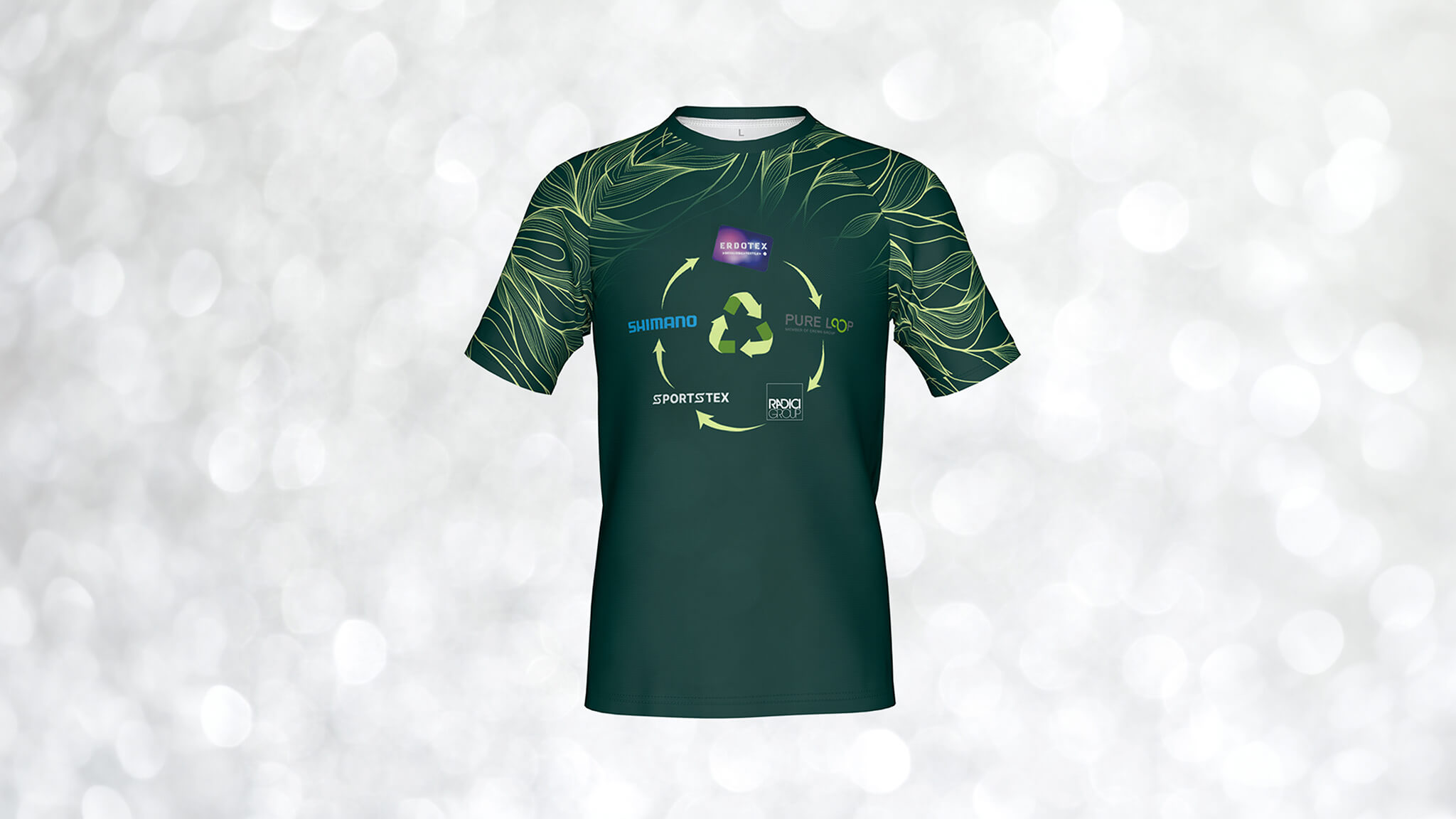




Discover how we integrate the circular economy into our processes and products.
Discover the current and past results of Raditex's sustainable commitment.